
Westfalia-Mobil
Westfalia
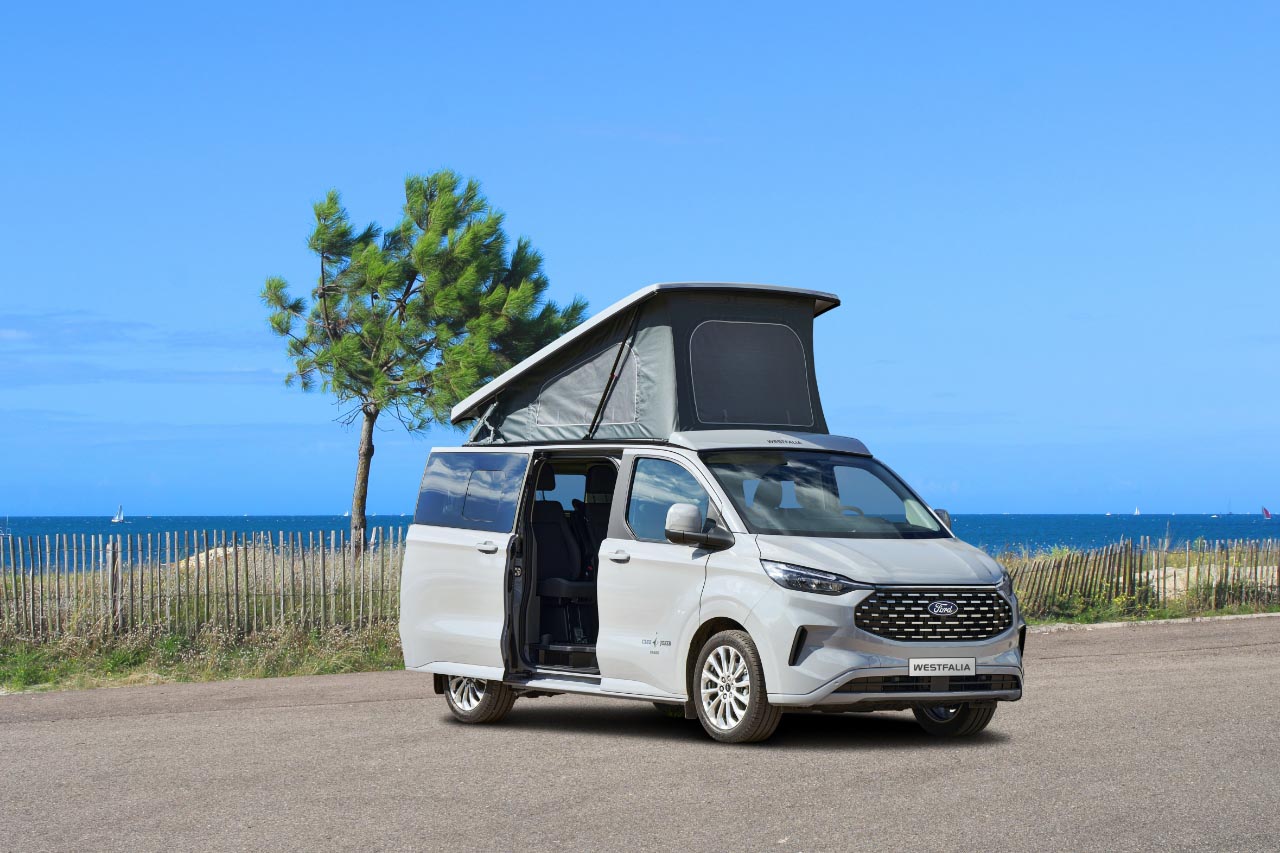
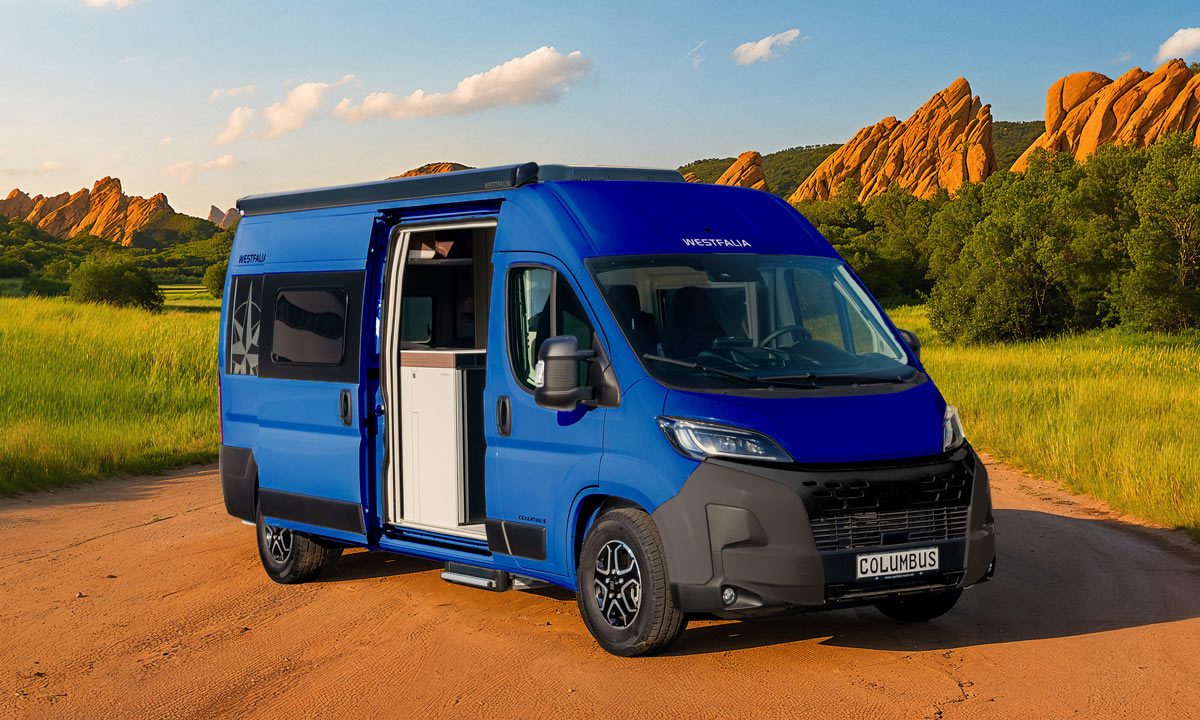
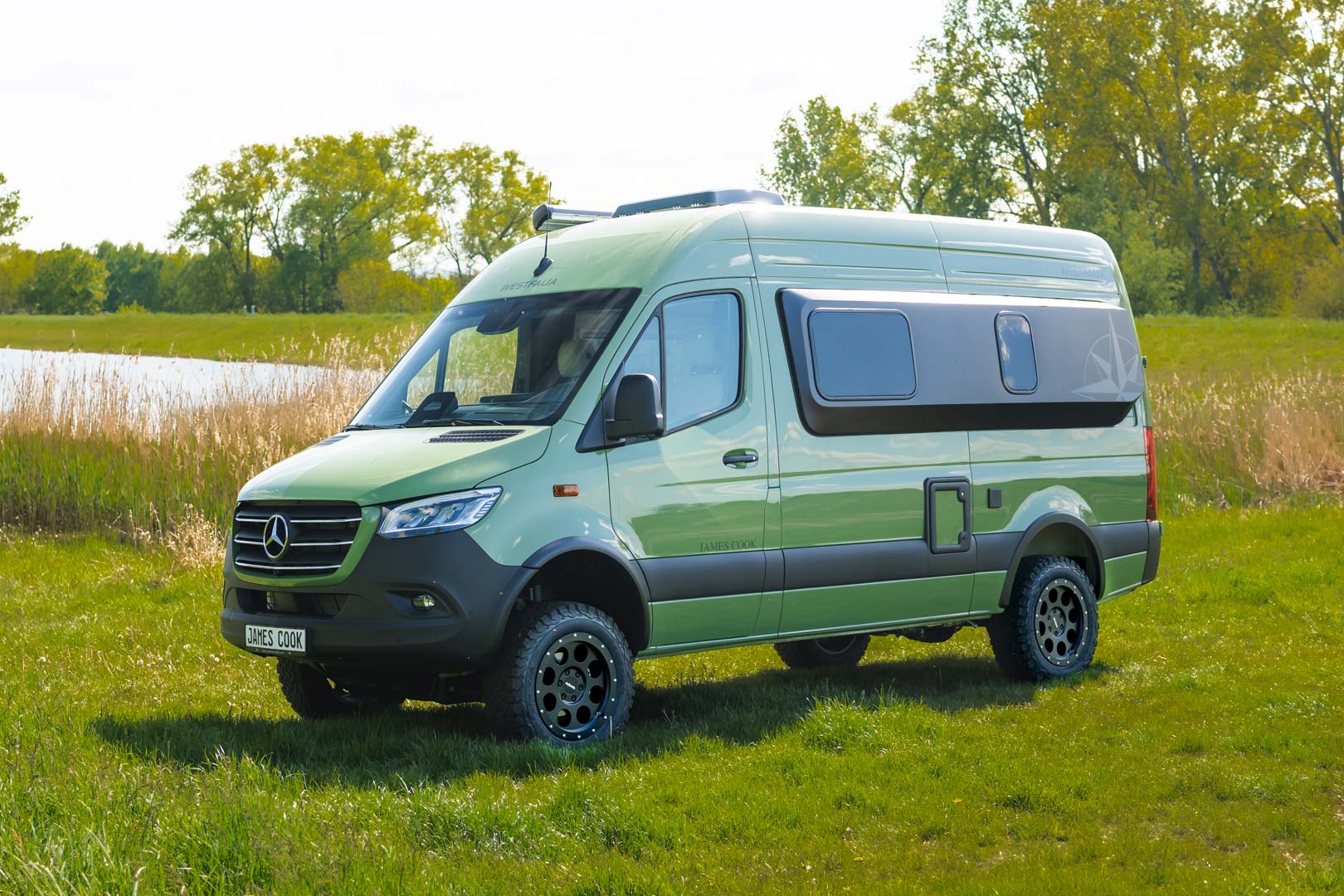
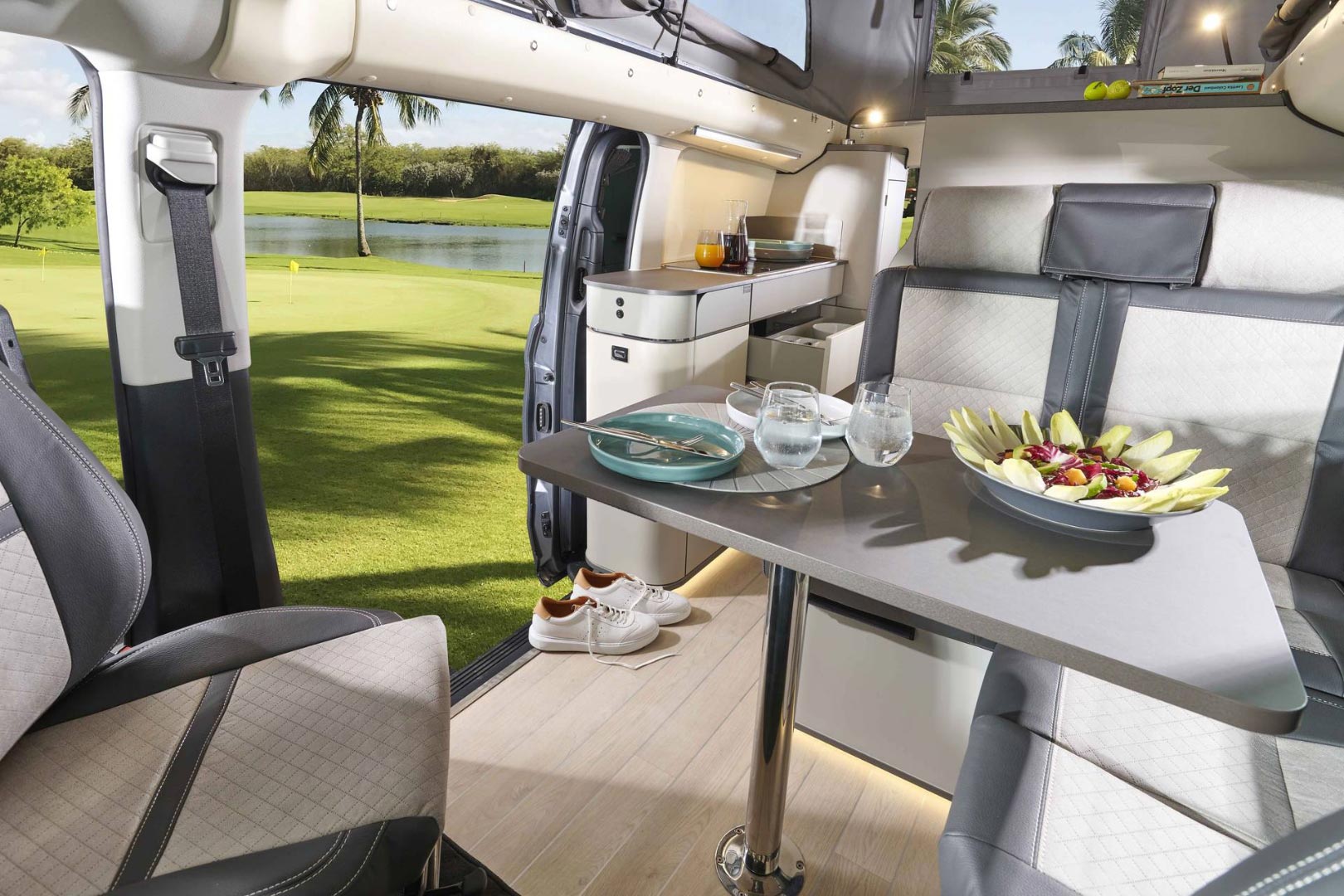
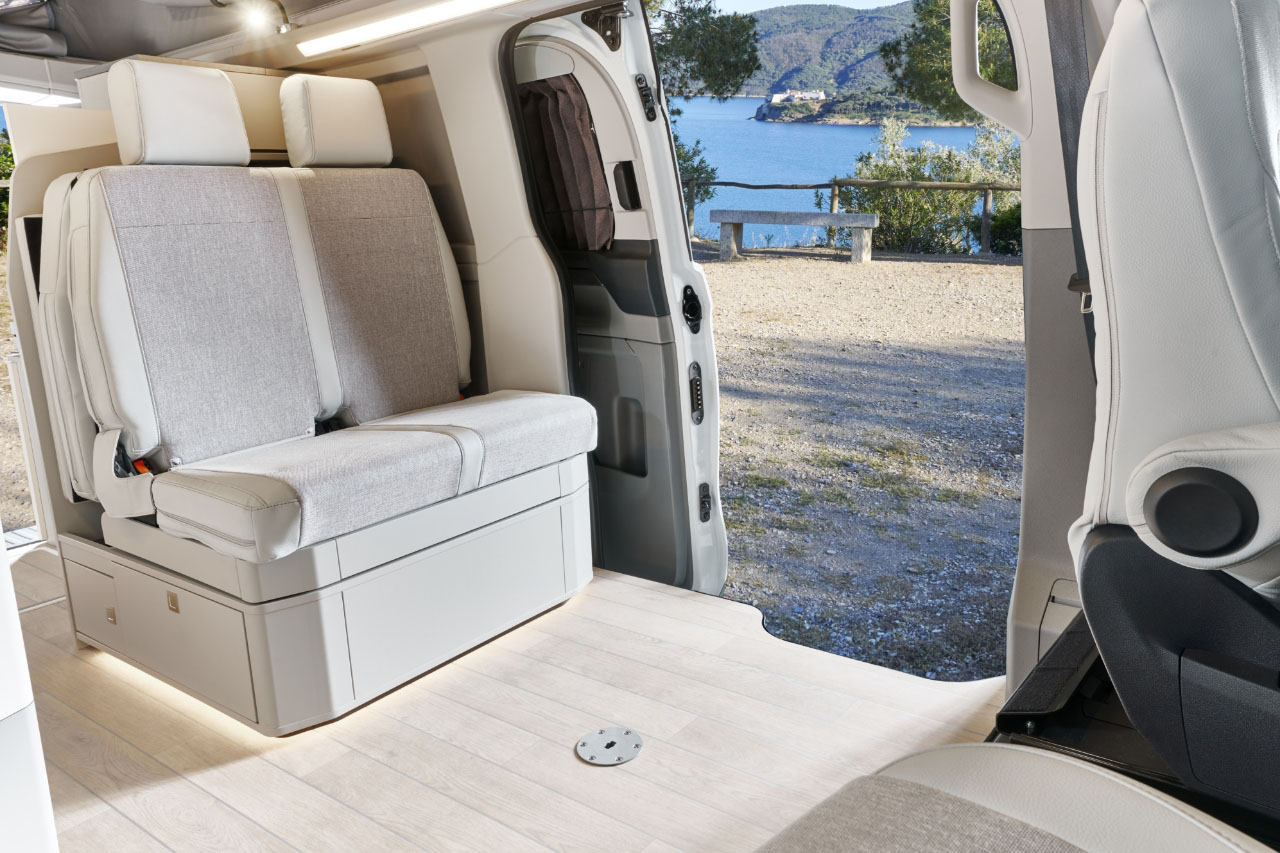
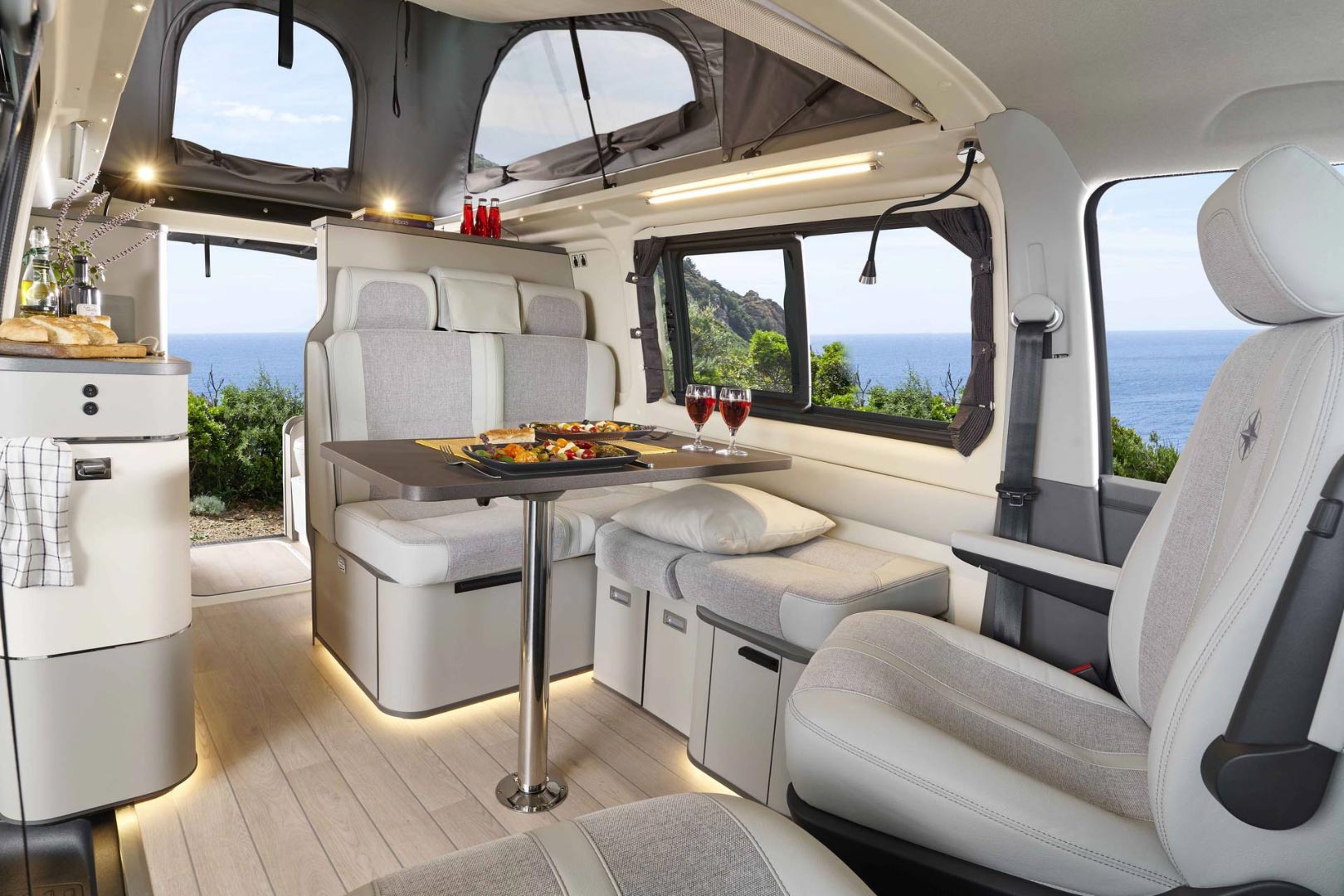
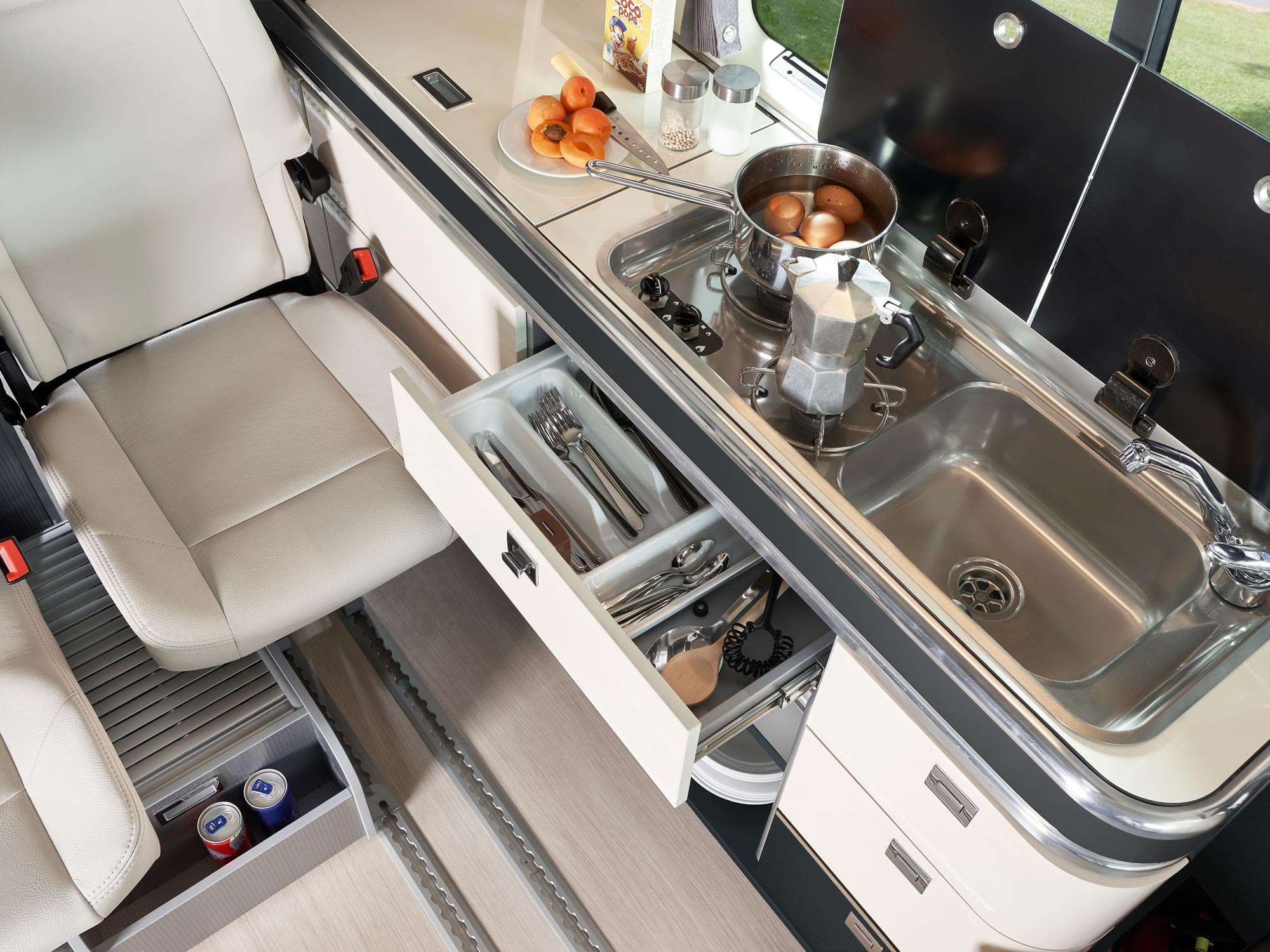
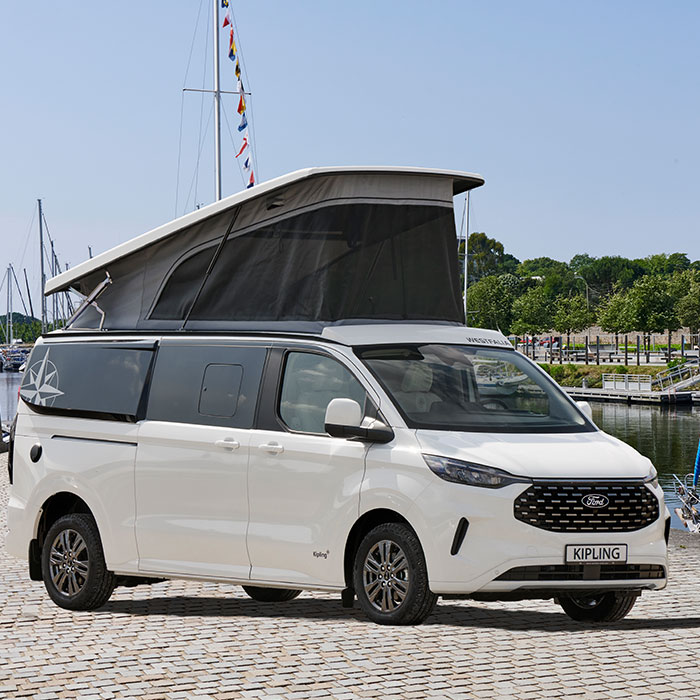
Inventor of the camper van. Since 1951, conversions based on Mercedes, Ford, and VW have been built in Gotha (panel vans and campervans) and Rheda-Wiedenbrück (Club Joker Urban). Current lineup includes campervans such as Kipling, Kelsey, and Jules Verne.
Camper Vans & Panel Vans
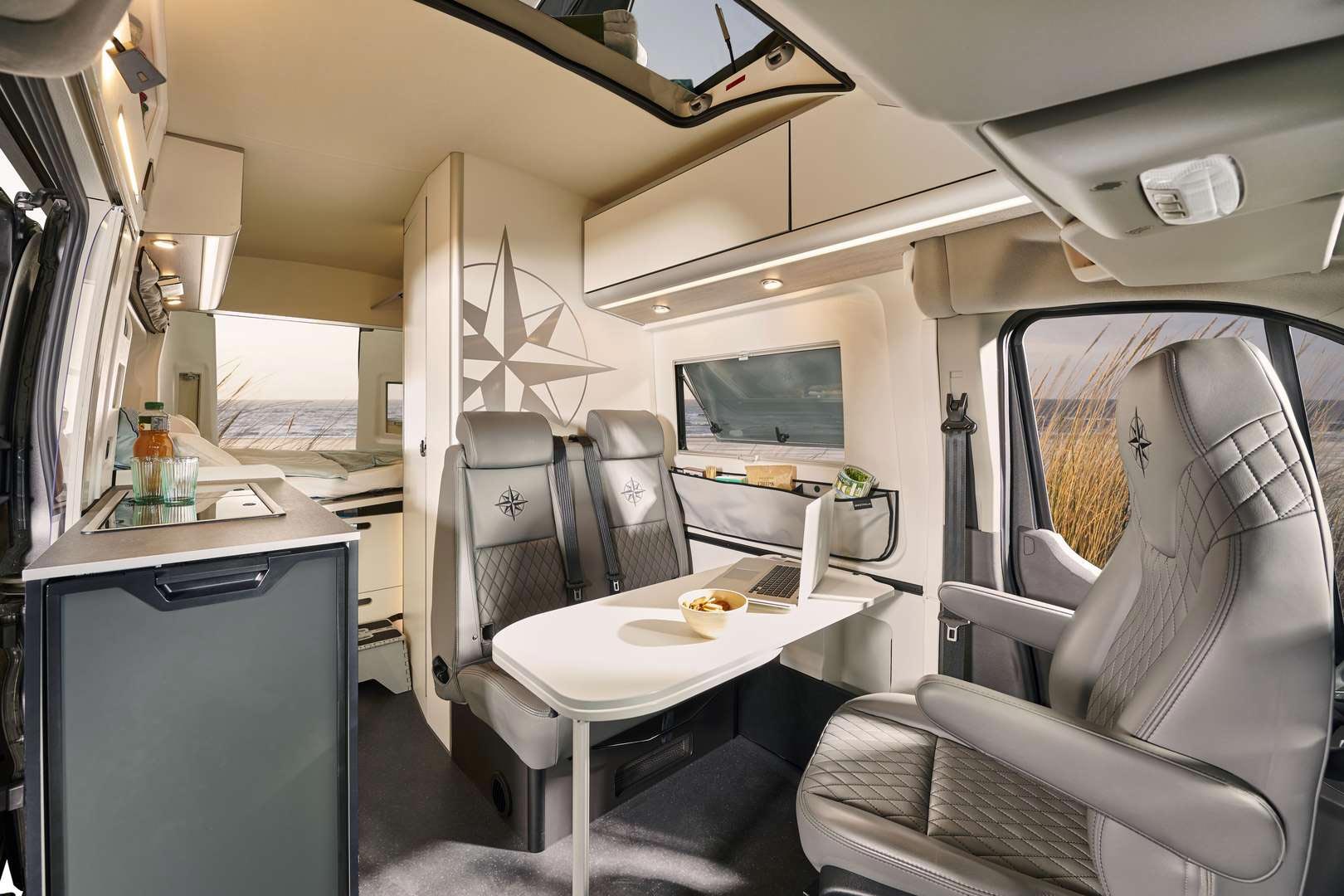
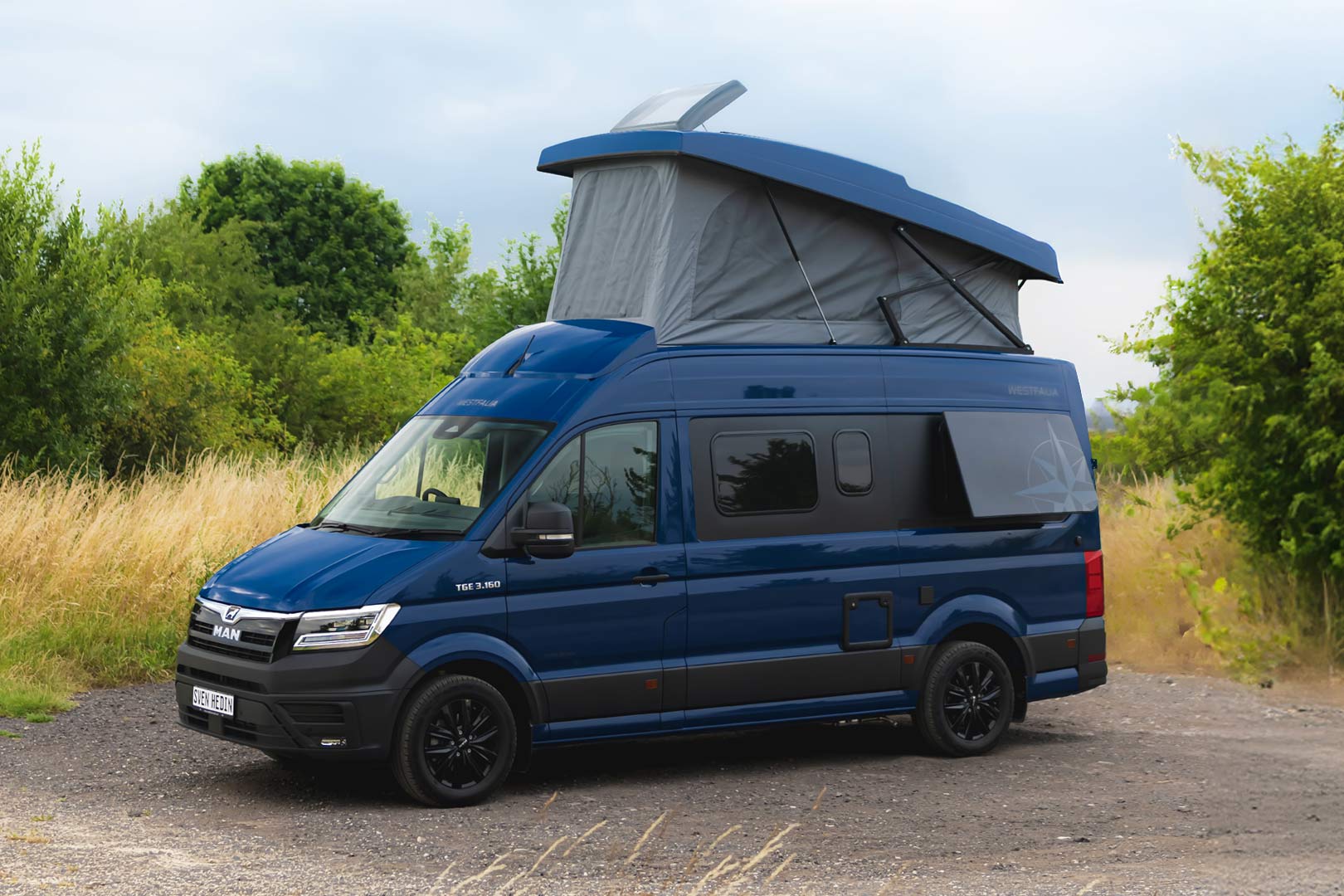
History.
Since 1844 — what began as a blacksmith's shop shaped the image of the German camper from 1951 onwards with the VW Camping Box. Today, Westfalia is part of the French Rapido Group.
Westfalia traces its origins back to a forge founded in Wiedenbrück in 1844, which evolved into coachbuilding for horse-drawn carriages and later vehicle conversions. In 1951, a pivotal partnership with Volkswagen began that would prove decisive for camper history: Westfalia developed the "Camping-Box" for the VW T1 and shaped the image of the German VW camper van for decades — from the Joker (1978) to the James Cook and the present-day Sven Hedin.
After changes in ownership and an insolvency (2010), the French Rapido Group acquired Westfalia-Mobil GmbH and continued operating it under new ownership. Today, Gotha is the location for final assembly and headquarters — the former home grounds in Rheda-Wiedenbrück are no longer part of the brand.
- 1844 Founding as a forge in Wiedenbrück
- 1951 First VW camping box for the T1 — Beginning of the VW-Westfalia partnership
- 1978 Market launch of the Joker (over 70,000 units sold by 1987)
- 1988 First VW California developed jointly with VW Nutzfahrzeuge
- 2010 Insolvency; acquisition by the French Rapido Group
- 2011 Westfalia Mobil GmbH at the new location Gotha
Economic Key Figures.
Westfalia has been part of the French Rapido Group since 2010; brand-specific financial figures are not reported separately to the public.